
 School of Communication (SCOM) professors Dr. Richard Waters and Dr. Elizabeth Ray, and PhD student, Eldaneka Rolle, conducted research exploring how graduate programs in public relations can better prepare students for success in the professional public relations industry. Their study “Shaping Future Professionals: Industry Perspectives on Graduate Internships” was published in the Journal of Public Relations Education and highlights key findings on how graduate programs structure academic preparation and industry expectations for students.
“If this study encourages programs to design learning experiences that reflect those real professional moments and prepare students to step into them with clarity and confidence, then it has achieved its goal,” Ray said.
Dr. Waters, Dr. Ray, and Rolle’s academic training and professional experiences shaped how they approached and interpreted the study. Since they navigated both professional communication practice and academic environments, they brought different perspectives into how work environments are developed, misunderstood, and negotiated, as well as how communication is taught in the classroom. This perspective led them to view findings as a means to reestablish academic preparation with the realities of a professional work environment. With their training on qualitative methodology, they intentionally took a reflexive stance to limit their influence on their backgrounds.
Their study was motivated by the gap in industry expectations for graduate preparedness. They wanted to receive insight into what industry professionals are looking for in a candidate and ensure that students were fully prepared to work in the field professionally. The team conducted interviews with industry experts regarding which qualifications are needed for someone wanting to work in public relations. One of the participants of the study highlighted something very significant that resonated with Rolle.
“If we had a graduate student apply for an internship with us, but they hadn’t yet had a prior internship at a PR firm, and we also had an undergraduate who did a previous internship at a firm, we would probably prefer the undergraduate candidate simply because they have had that exposure already,” one participant said.
This response emphasized the significance of having experience in the industry to remain competitive. Employers are always looking for students who have exposure because it’s what makes them stand out.
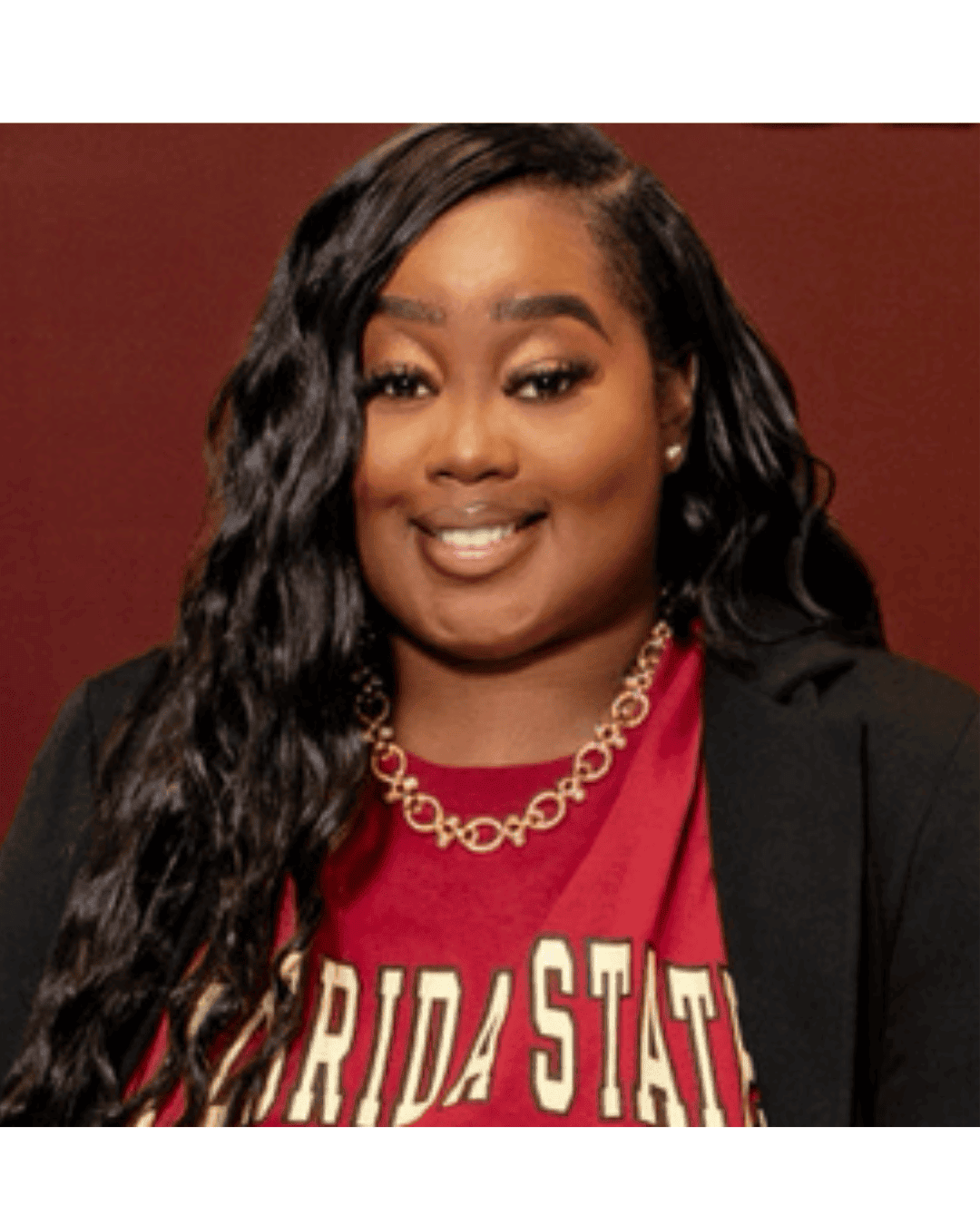 “This perspective highlighted that practical experience is crucial for industry readiness,” Rolle said.
Participants in this study also emphasized the importance of students developing soft skills in a work environment. This includes open communication, teamwork, asking questions, and adaptability. Even though these skills are not being taught in classrooms, the researchers emphasized its importance based on their findings from this study.
Waters also noted that physical presence in professional environments remains critical for building networks and workplace relationships. While remote work has become more common since the COVID-19 pandemic, he emphasized that being in the office helps students and young professionals establish visibility and strengthen interpersonal connections.
“Public relations is all about your network and interpersonal relationships you develop,” Waters said.
This study showed that the gap between the classroom and professional practice is not just about knowledge, but it is also about understanding how the work unfolds. Looking ahead, they hope that this research will encourage programs to structure academic spaces that reflect the real professional industry, which will fully prepare students to step into the industry with confidence and the needed skill sets.
“We hope this research reminds programs that graduate education is not just about adding skills, but about shaping judgment, confidence, and professional identity,” Ray said.
To dive deeper into their research, click here.