
Dr. Davis Houck, Fannie Lou Hamer Professor of Rhetorical Studies at the School of Communication, continues to shape the national understanding of Civil Rights history through his recent work with K-12 educators and a newly renamed academic series honoring one of the movement’s most powerful voices.
Houck has long supported the study and preservation of Civil Rights history, particularly its deep roots in the Mississippi Delta.
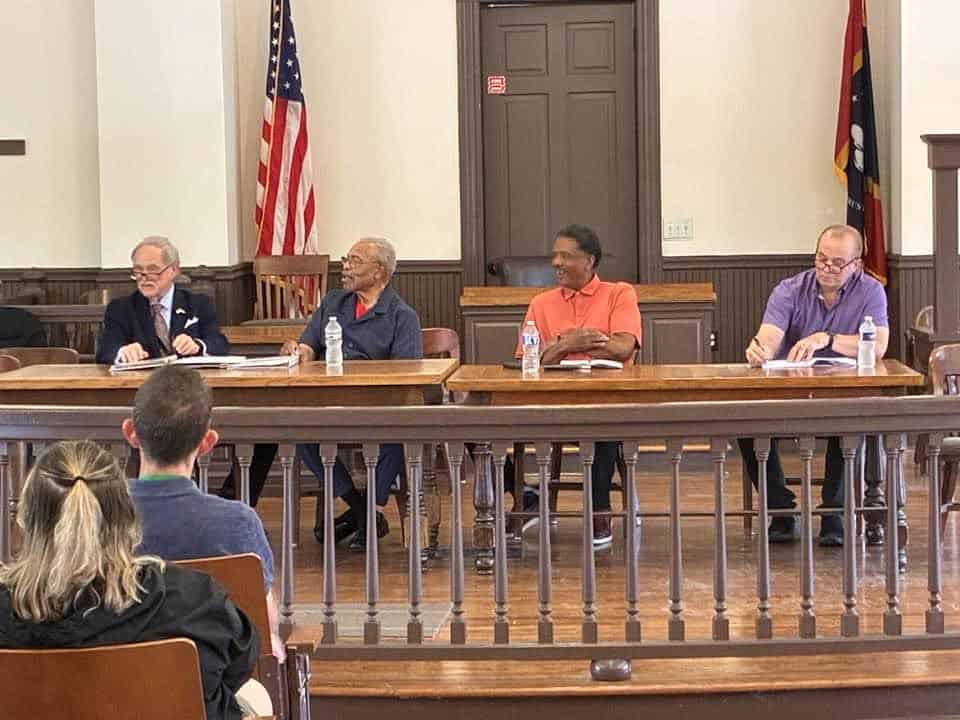
In June, he visited the Tallahatchie Courthouse in Sumner, Mississippi—the site of the 1955 Emmett Till murder trial, widely considered a catalyst of the Civil Rights Movement—as part of an annual one-week National Endowment of the Humanities (NEH) workshop. The program introduces K-12 teachers to the region’s rich and complicated history, equipping them with tools and resources to bring back to the classroom.
“My contribution mainly involved resources that teachers could easily access, namely the Emmett Till Archives here at Florida State, and how these primary and secondary sources can bring the story to life,” Houck said.
The workshop brought together a range of voices connected to the Till case and its legacy, including Jak Smith, son of the Special Prosecuting attorney in the case, Rev. Willie Williams, co-chair of the Emmett Till Memorial Commission, and Rev. Wheeler Parker, Emmett Till’s cousin, who was with him the night of his abduction.
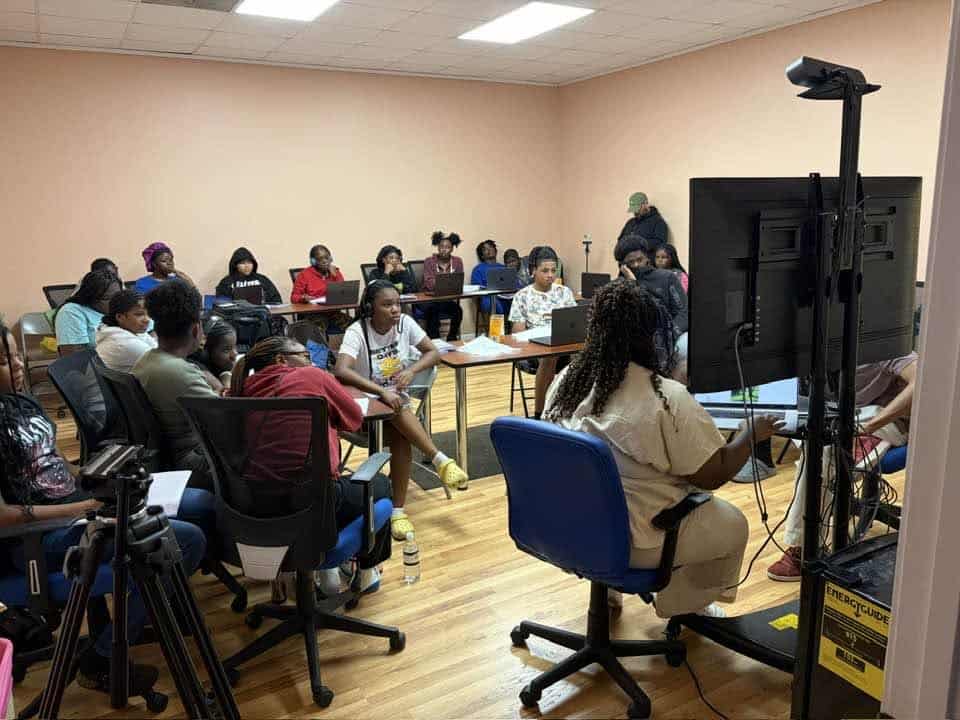 During his visit to the Delta, Houck also joined the 7th annual MS Delta Filmmaking Workshop—a program which he helped create in 2018. Led by College of Communication & Information alumni Valencia Simmons, Lily Ramos, and Dr. Pablo Correa, the workshop teaches high school students documentary filmmaking fundamentals and how to use film to tell the stories of civil rights history.
“It’s great to see your former students become the teachers. Having FSU and the College of Communication and Information show out on these stages makes our brand very tangible for all the folks we interact with over the course of our two weeks in the Delta. We wear our Seminole gear loud and proud!” Houck said.
While Houck’s on-site work helps educators engage directly with Civil Rights history, his scholarship is also expanding how that history is studied and shared more broadly. He serves as an editor of The Race, Rhetoric, and Media Series, an award-winning collection of monographs and volumes that explore the intersection of race, rhetoric, and media in the United States and its territories.
In a recent development, the publisher of the series, the University Press of Mississippi, announced that the series will be renamed The Fannie Lou Hamer Series on Race, Rhetoric and Media, further cementing Hamer’s legacy as a key figure in the Civil Rights Movement.
“I think it’s most appropriate that Mrs. Hamer’s name serves as the umbrella for the series given her commitment to, in her words, ‘telling it like it is.’ She was a spellbinding orator and clearly understood the power of the media to carry her message and bring Mississippi before the nation’s eyes,” Houck said. “The University Press of Mississippi represents all of the state’s public universities, so having Mrs. Hamer’s name on the series certainly affirms her legacy in a state she fought with and for.”
Together, Houck’s work both in the classroom and in the field continues to ensure that the lessons and voices of the Civil Rights Movement continue to remain accessible, relevant, and impactful.