
Ashley Sellers has been awarded a highly competitive F31 National Research Service Award (NRSA) fellowship from the National Institutes of Health (NIH), providing support for her dissertation research and an individualized training and mentorship plan designed to help her develop as an independent researcher. Her mentorship team includes Dr. Mollie Romano, Dr. Henna Budhwani with the Center for Translational Science Advancement (CTSA) at FSU, and Dr. David Schlundt of Vanderbilt University.
For more than a decade, Sellers worked as a speech-language pathologist supporting children with complex communication needs. Now, as a doctoral student in the School of Communication Science and Disorders (SCSD), she is building that experience through research focused on supporting nonspeaking autistic children and their families.
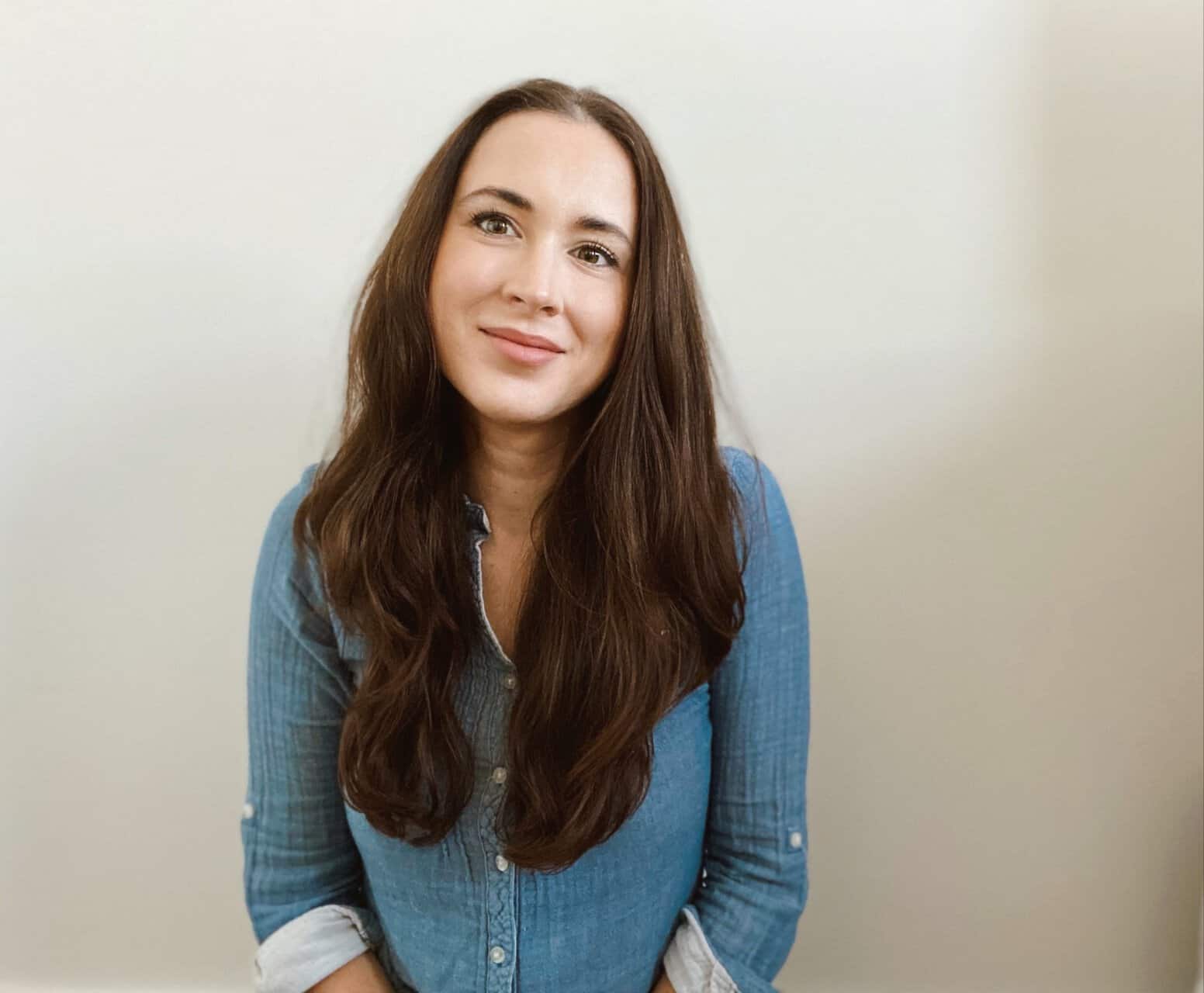
“Receiving the award reflects the strength of the mentorship, research resources, and collaborative environment available to doctoral students at FSU,” Sellers said. “I think it also demonstrates that graduate students can contribute to federally funded research while developing their own independent line of scholarship.”
Sellers’ dissertation focuses on young autistic children with complex communication needs, particularly children who are not yet using spoken language or use very few spoken words. Her research examines whether coaching caregivers during everyday interactions can support early communication development, while also exploring whether the approach is useful, feasible, and appropriate for families and providers. Her multidisciplinary mentorship team brings together expertise from communication sciences and disorders, nursing and translational science, and behavioral health research to support the development of her research program.
“We are incredibly proud of Ashley for earning this highly competitive F31 award through the National Institutes of Health,” said Dr. Mollie Romano, SCSD associate professor and Sellers’ mentor. “This fellowship is an important recognition of both the significance of her research and her potential as an emerging scholar in the field.”
For Sellers, the award represents more than funding for her research. It also marks an opportunity to bring together her clinical experience and her developing work as a researcher.
“It most importantly means I can focus the remainder of my doc program on doing work that supports nonspeaking autistic children and their families,” Sellers said. “I spent over a decade working with this population as an SLP, so being able to devote this stage of my career to questions that grew out of that experience is very meaningful.”
Beyond recognizing Seller’s potential as an emerging researcher, Dr. Romano also emphasized the potential impact of her work on children and their families.
“By developing knowledge about how caregivers can be supported to promote children’s vocalizations during everyday interactions and routines, this research has the potential to expand access to meaningful, evidence-based intervention for children and families,” said Dr. Romano.
Ultimately, Sellers hopes her research will help expand the options available to autistic children with complex communication needs while making intervention more accessible for their families. By studying strategies that can be incorporated into everyday interactions, she hopes to better understand what works, for whom, and whether families find these approaches meaningful and worthwhile.
“I want families to have more evidence-based options that reflect the individual needs and goals of their children,” Sellers said. “I also want interventions to fit into families’ everyday lives rather than asking families to become therapists.”
Her work also aims to address a gap in research by bringing greater attention to autistic children with significant communication needs, who are often underrepresented in research. Through the support of the F31 fellowship, Sellers will continue developing the research expertise needed to contribute to a stronger evidence base for these children and their families.