
School of Communication Assistant Professor Braidyn Lazenby recently published her study, “Informal caregiver uncertainty: exploring the presence of uncertainty in eating disorder Reddit posts,” in the Journal of Eating Disorders, a peer-reviewed publication that discusses important issues and challenges within the field of eating disorders.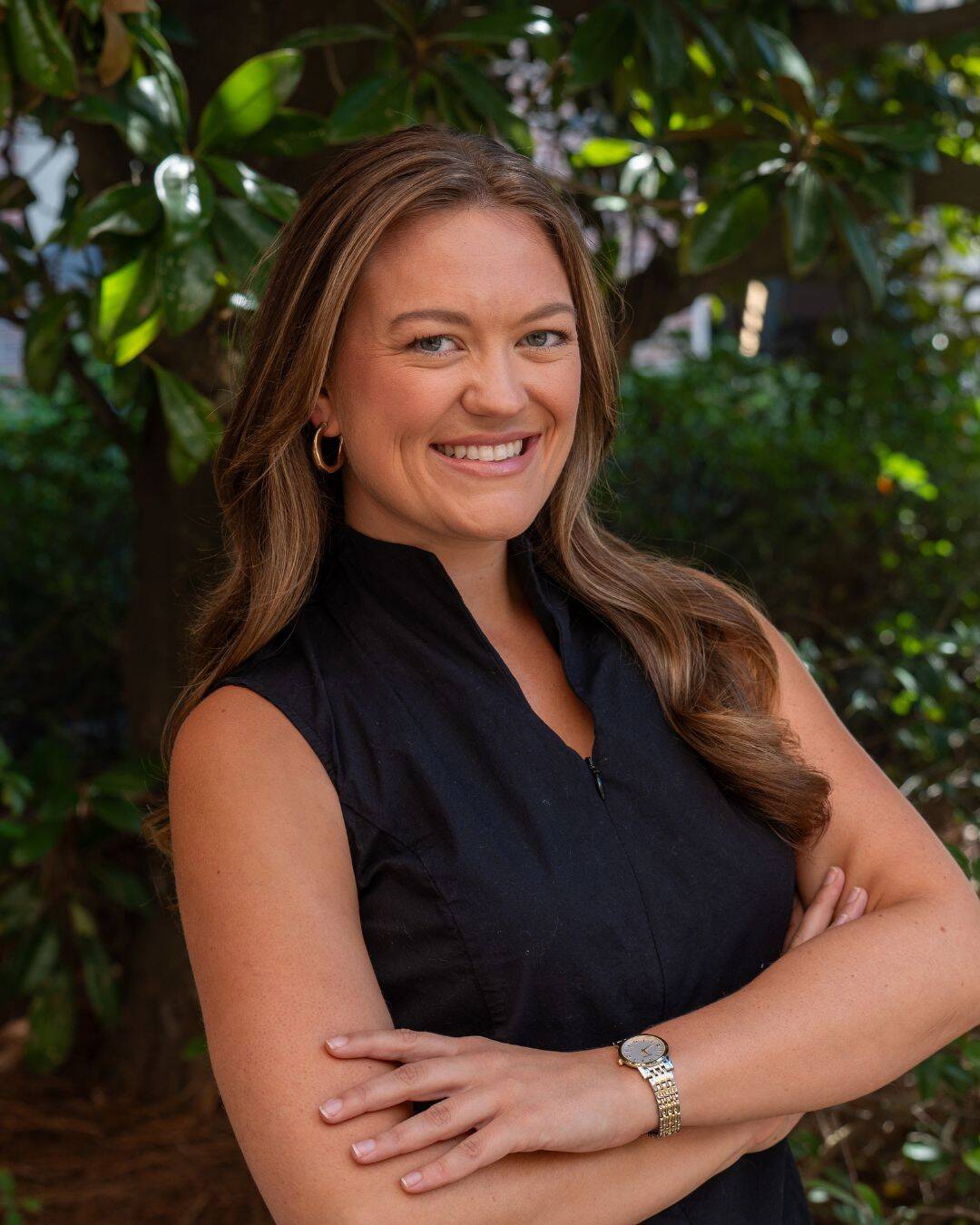
“It’s important to be in conversation with other scholars who study eating disorders from different perspectives and disciplines to better understand the challenges of eating disorders and bridge gaps that might prevent or delay recovery,” Lazenby said. “I’m excited to be part of that conversation and provide a communication scholar’s perspective as one piece of the eating disorder recovery puzzle.”
Lazenby’s study examines how informal caregivers—friends, siblings, parents, children, roommates, and romantic partners of individuals with eating disorders—experience and express uncertainty, particularly in online spaces. The research builds on her previous work using the tripartite model of uncertainty (a framework that examines medical, personal, and social uncertainty), expanding it to explore how uncertainty can be experienced on behalf of another person.
Eating disorders have one of the highest mortality rates of any mental illness, and their effects extend beyond those diagnosed. Informal caregivers often play a critical role in support and recovery, yet their experiences remain underexplored in academic research.
“I knew uncertainty would be present, but that was a no-brainer,” Lazenby said. “What surprised me the most was how informal caregivers often expressed very visceral fear that addressing one source of uncertainty would create another or worsen an existing uncertainty.
For many caregivers, concern over a loved one’s physical health conflicted with fears of damaging the relationship.
“It was very common for someone to be concerned about the medical well-being of their romantic partner but worry that if they tried to get the person into a recovery facility, the person would end the relationship,” Lazenby said.
Publication in the Journal of Eating Disorders places Lazenby’s work alongside leading international research in the field and highlights the importance of communication scholarship in understanding eating disorder experiences.
“We have come a long way with eating disorder stigma,” Lazenby said. “However, the role of communication in eating disorder risk, prevention, and recovery is still undervalued and often oversimplified.”
Beyond its academic contribution, the study also offers practical implications. Many existing caregiver resources are distributed through healthcare facilities, leaving informal caregivers without guidance.
“Where does that leave people like informal caregivers who aren’t going to medical centers or appointments with their loved one?” Lazenby said.
The study recommends developing uncertainty-management resources through accessible platforms such as social media and nonprofit organization websites to better support informal caregivers where they already seek information and community.
“I hope this research starts shifting the conversation from how to have the ‘right’ or ‘perfect’ conversation to how to confidently navigate challenging conversations and adapt to best support the person you’re talking to,” Lazenby said.