
Florida State University deputy chief information security officer Clifford Stokes Jr. recently participated in a professional engagement with cybersecurity company ReliaQuest as part of FSU’s new partnership with the organization.
The partnership introduces FSU to ReliaQuest’s GreyMatter platform, which Stokes explored through training that included hands-on labs, interactive scenarios, and case studies. He developed skills across the platform’s Investigate, Intel, Detect, Respond, Verify, and Hunt capabilities while working with ReliaQuest employees and other industry members.
“The experience was extremely successful because it provided not only valuable perspectives and experiences on the GreyMatter Platform, but also demonstrated how the product is managed, maintained, and how new functionality is developed and incorporated to benefit the customer and FSU,” Stokes said.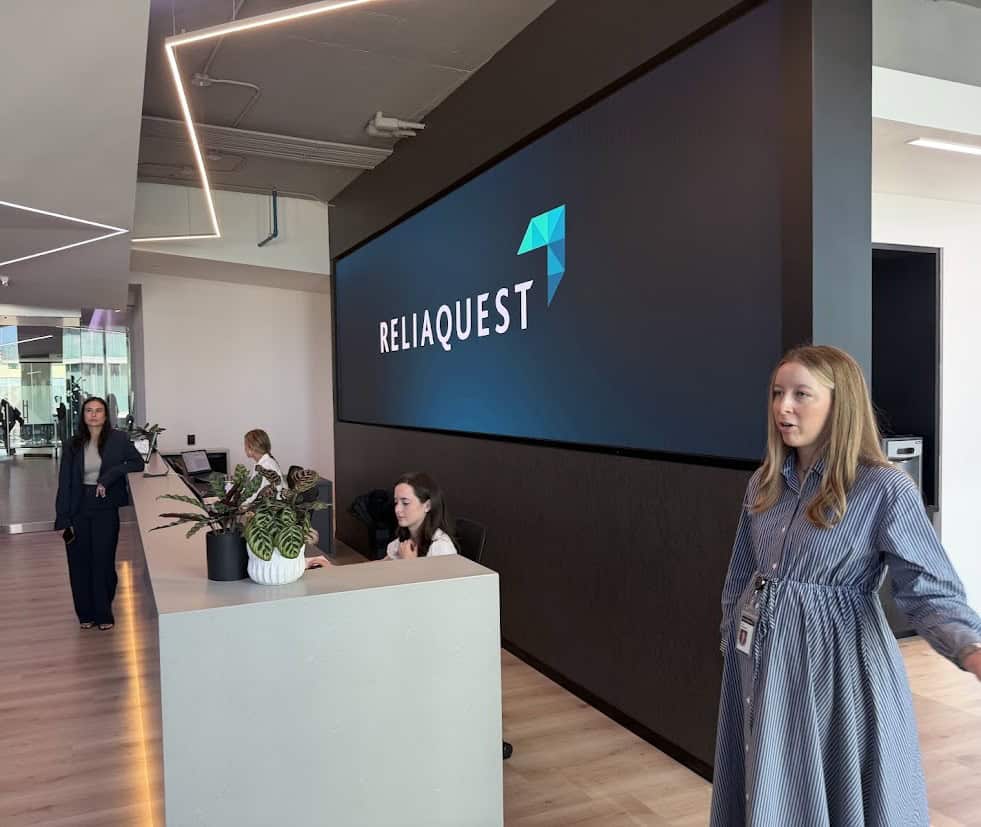
Stokes has more than 30 years of experience as a technical executive and cybersecurity leader. His experience includes higher education, state government, law enforcement, and global enterprise technology environments. Before joining FSU, Stokes served as chief information security officer for Florida A&M University.
A major focus of the collaboration was artificial intelligence (AI) and its potential role in FSU’s cybersecurity operations. Stokes said he wants to examine how ReliaQuest’s agentic AI capabilities could contribute to the university’s cybersecurity program while establishing stronger connections with the company’s Tampa Operations Center.
“Partnerships with companies such as ReliaQuest create tremendous opportunities for students by exposing them to real-world cybersecurity challenges, industry best practices, and potential career pathways,” Stokes said.
Those connections can also benefit FSU’s Information Technology Services by providing access to emerging technology trends and professional networks. Stokes says that at the university level, industry relationships can connect academic preparation with the skills employers are seeking.
According to Stokes, the relationship between higher education and industry is also important for faculty and technology leaders.
“These interactions provide current insights into evolving threats, technologies, and workforce requirements,” Stokes said.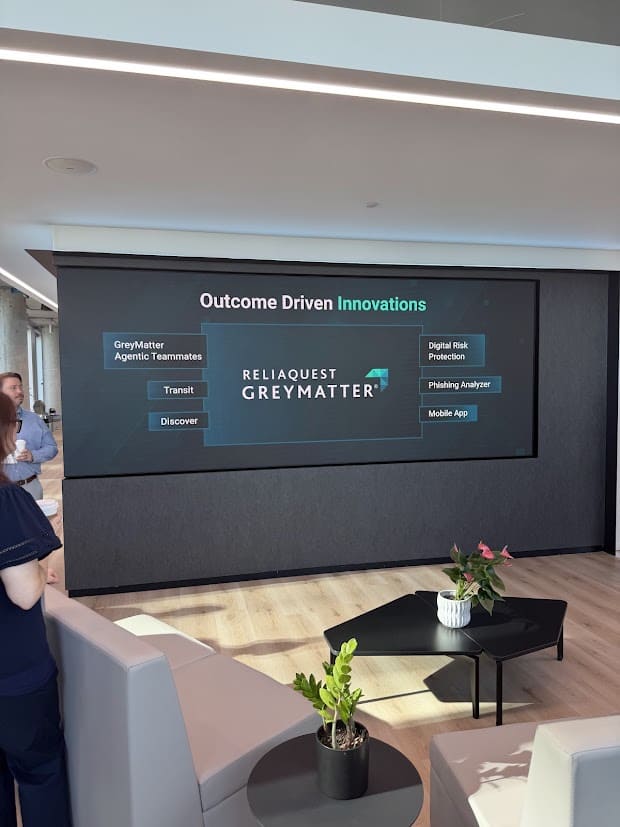
Stokes also encouraged current and future information technology students to develop skills across multiple areas rather than concentrating solely on technical expertise.
“The most successful technology professionals are those who can combine technical expertise with the ability to translate complex concepts into business value and communicate effectively with diverse stakeholders,” Stokes said.
As cybersecurity continues to develop alongside new technologies, Stokes says maintaining relationships between universities and industry will remain important for both professionals and students.
“One of the biggest takeaways from my experience with ReliaQuest is the importance of continuous learning and strong partnerships,” Stokes said. “Cybersecurity is a team sport, and the collaboration between universities and industry plays a critical role in developing the next generation of technology and security professionals.”