
FSU College of Communication and Information (CCI) took the stage in Guatemala as School of Communication (SCOM) faculty joined scholars from across Latin America at the IV Encuentro Regional de Centroamérica de FELAFACS and the IV Congreso de Comunicación RADAR last month. The event, hosted at Universidad Rafael Landívar, served as a critical forum to exchange ideas and map out the future of communication education on a global scale.
A highlight of the event was the presentation of preliminary findings from a FELAFACS research project. Dr. Sindy Chapa, Professor in the School of Communication (SCOM) and coordinator of the study’s scientific team, shared insights into how communication schools across the region are adapting to rapid industry shifts.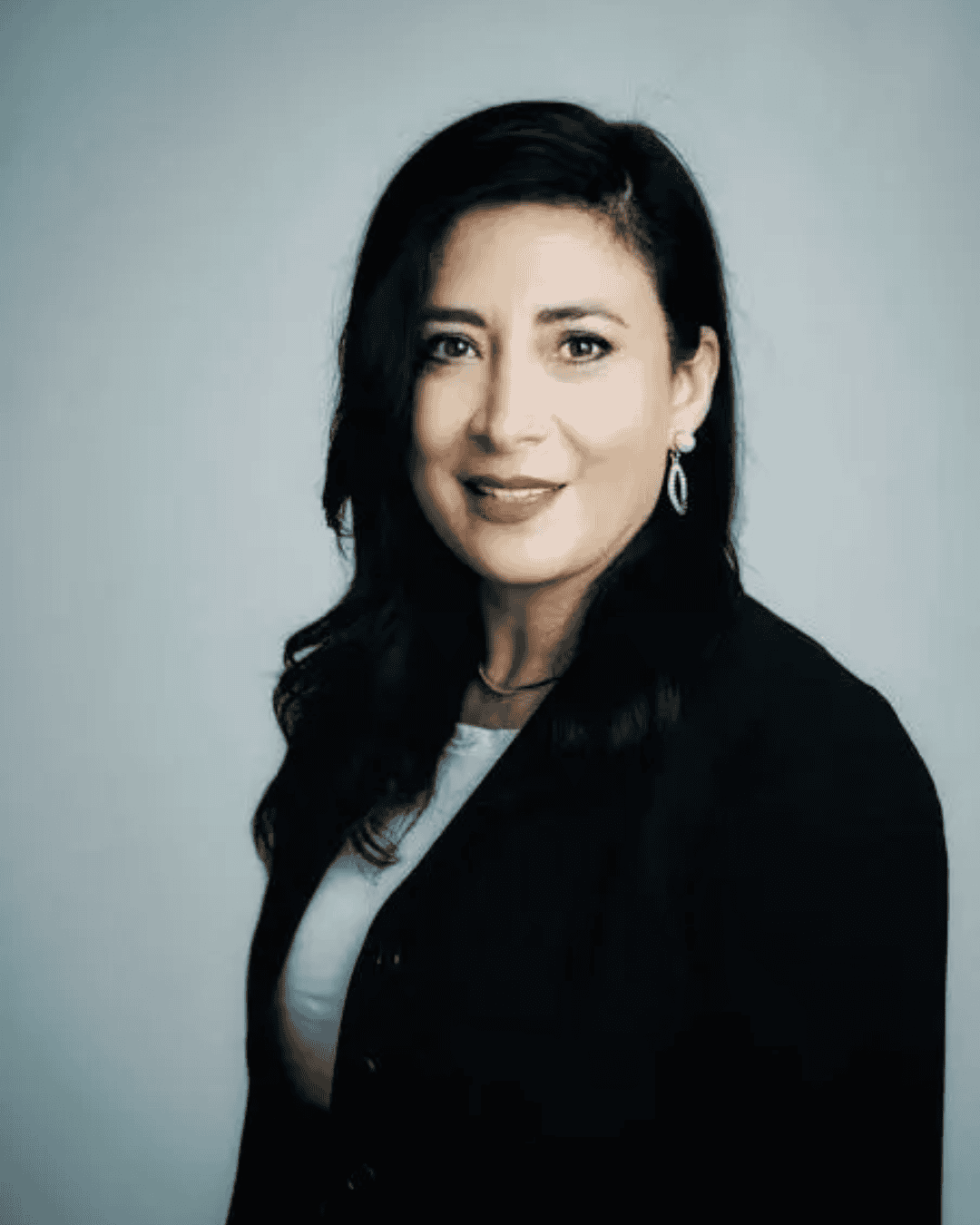
“The main focus of our research is really to understand where communication education stands today across Latin America and where it is going,” said Chapa. “We are looking at communication schools and programs across the region—their curricula, faculty, enrollment, research, areas of specialization, and some of the challenges and opportunities they are facing.”
Rather than simply collecting numbers, the research aimed to build a comprehensive picture of how academic programs are responding to massive shifts in technology and society. Interestingly, the findings and subsequent discussions revealed that despite operating in vastly different cultural and national contexts, universities throughout the Americas are grappling with the exact same hurdles.
“One of the most valuable things for me was realizing that we deal with many of the same questions,” Chapa noted. “How do we prepare students for a profession that is changing so quickly? How do we incorporate AI and new technologies while maintaining strong ethical and critical foundations? And how do we make sure that what we teach remains relevant to our communities and to the profession?”
These international conversations tie directly back to the mission of FSU’s School of Communication. Through initiatives like the Center for Hispanic Marketing Communication, the college actively prepares students to navigate a complex, multicultural media landscape. Participating in organizations like FELAFACS helps integrate FSU into a larger academic dialogue, paving the way for collaborative research, student opportunities, and future faculty exchanges.
“I see it as a two-way relationship,” she shared. “FSU has knowledge and resources to contribute, but we also have a great deal to learn from our colleagues across Latin America. Sometimes international collaboration is less about bringing answers to the table and more about listening to what others are doing.”
While the formal presentations set the academic agenda, the connective tissue of the trip happened off-stage. Navigating the vibrant culture of Guatemala and connecting outside of the events was just as impactful.
“Conferences are important because of the presentations, but some of the most valuable moments happen in the conversations between sessions, over a meal, or while learning about another person’s university and country,” Chapa reflected. “I came home very grateful for the experience and for all the wonderful people I had the chance to meet.”