
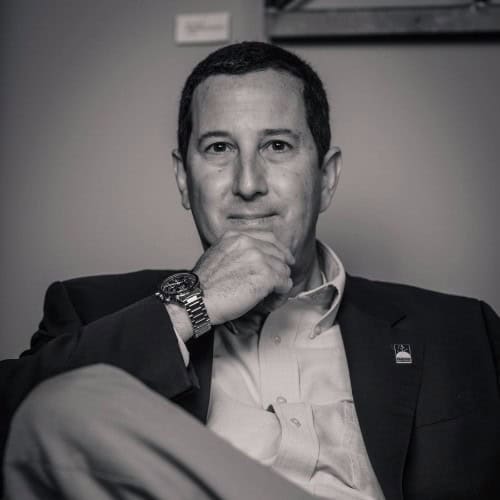
 School of Information (iSchool) alumnus, Alan Hanstein, was honored with the Steve Uhlfelder Humanitarian Award at the Holocaust Education Resource Council’s 15th Remembrance Dinner on October 26th. Hanstein’s award carries personal significance to him. The recognition highlights the connection to Steve Uhlfelder, Hanstein’s mentor and friend, and creates a space for reflection on the lasting impact of the Holocaust and humanitarian service. As the community gathered for this annual remembrance dinner, the recognition emphasizes the importance of preserving the memory of the Holocaust and ensuring that this history continues to reach future generations.
“I mean, it means a lot. I’ve gotten awards in the community before, but this one really hit home. Steve fought tirelessly for those without a voice. He always loved the underdog,” Hanstein said.
The Holocaust Education Resource Council (HERC) works to promote Holocaust education and remembrance, helping students, educators and communities understand the history and learn from the past.
Hanstein believes that without organizations dedicated to Holocaust education, there is a risk that the history and experiences of those affected will be pushed aside. Through its educational efforts, HERC helps keep these stories alive and encourages future generations to recognize the importance of remembering the past.
“There’s casual sayings, like those who forget history are doomed to repeat it. It’s something that we always say, and to some extent, I think that’s true. Every single one of those 10 million murdered had a name, had family, had children, had parents, had brothers, had sisters. So it’s critical that we keep that memory alive,” Hanstein said.
As we look forward into the future, there are few Holocaust survivors left to share their firsthand experiences. Hanstein emphasized the importance of listening to their stories and recognizing individuals lives behind the historical accounts. Each survivor carries a personal story shaped by the hardships during this time, making their testimonies an essential part of preserving history.
“There’s two people you never cut off if they’re telling a story. Holocaust survivors and World War II veterans. That’s important. Because they’re not going to be around forever” Hanstein said.
For a younger generation, learning about the Holocaust means more than understanding dates and historical facts. It also means recognizing the lives and families affected and acknowledging how these events impact history.
“I think sometimes people don’t understand an event like this. And maybe don’t understand what it’s about. And I think it’s important and it’s a worthy cause,” Hanstein said.
Ultimately, preserving the Holocaust’s history requires a commitment that goes beyond a single event. When we listen to survivors and educate young people, this can help ensure that the lives lost and experiences faced are never forgotten.