
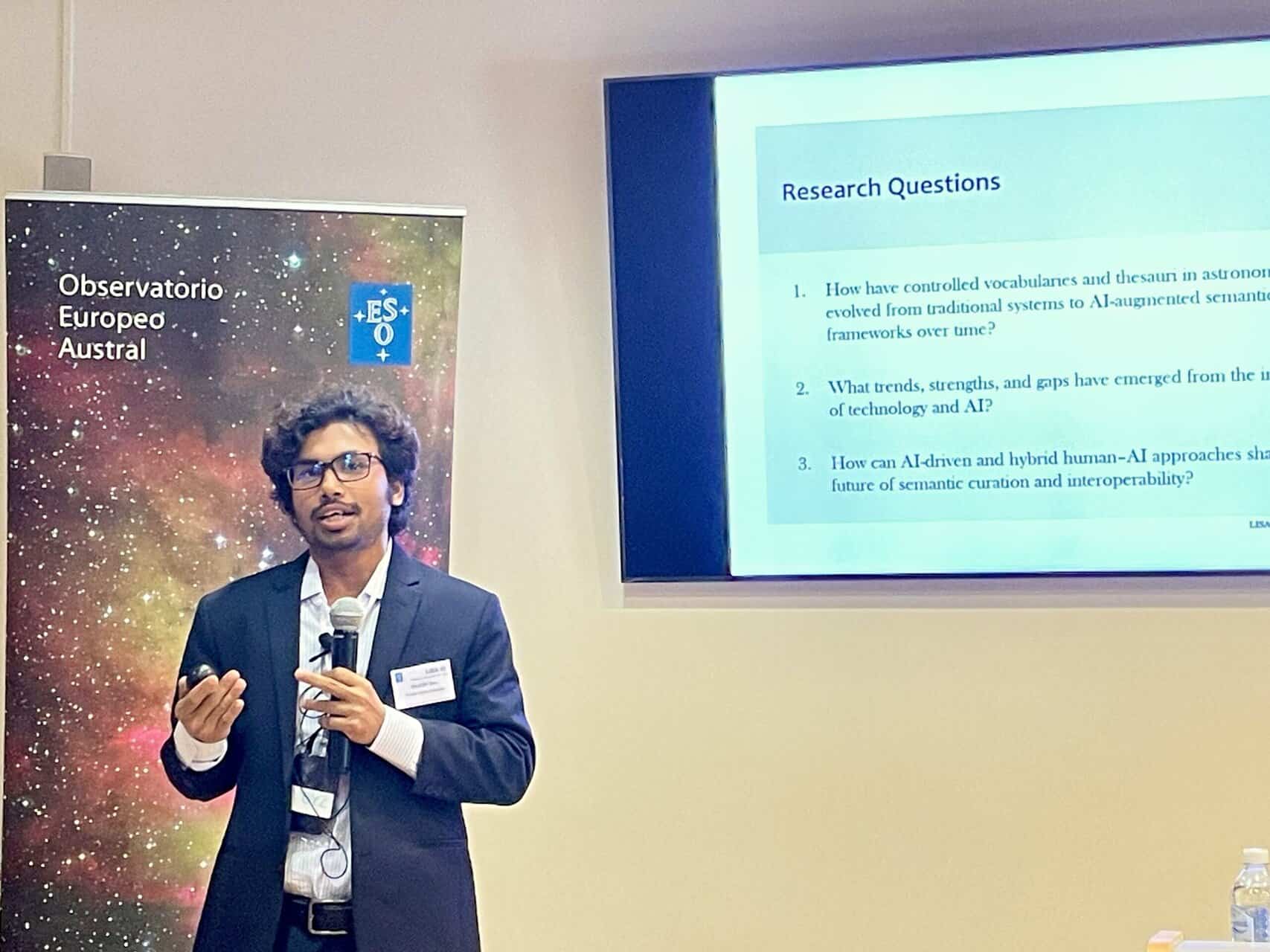
 Rajesh Das, a School of Information PhD student, attended the 10th Library & Information Services in Astronomy (LISA) conference in Santiago, Chile. This conference held several international scientific meetings for librarians, data specialists, and astronomers to discuss how to retrieve, preserve, and access different astronomical information.
“Attending the LISA conference significantly broadened my understanding of how astronomy operates not only as a scientific discipline but also as a global knowledge ecosystem,” said Das.
The conference highlighted important data infrastructure, semantic standards, and information needs in accessing astronomical research. He presented his research paper, Controlled Vocabularies and Thesauri in Astronomy: Tracing the Past, Present, and Future at the conference, discussing how astronomy organizes its knowledge and how artificial intelligence is changing this process over time.
This study was developed as part of a research collaboration course at the School of Information and supervised by Dr. Gretchen Stahlman.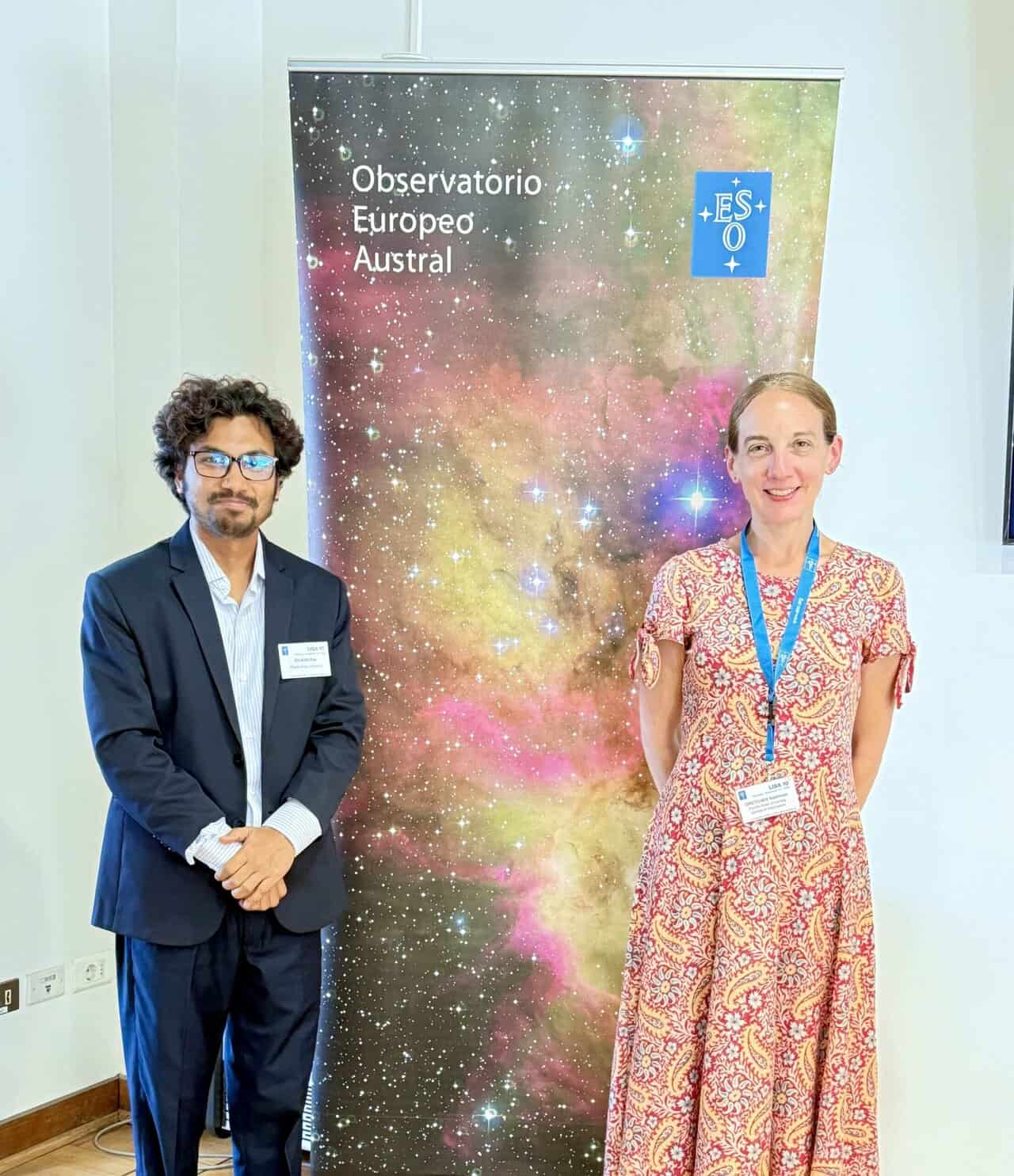
“Her [Dr. Stahlman’s] guidance helped me shape my ideas into a strong research paper,” said Das, “this support gave me the confidence to share my research with a global audience and prepared me for professional academic engagement.”
During his time at the conference, Das interacted with many international data scientists and astronomers who have strengthened his appreciation for the interdisciplinary nature of contemporary astronomy and how the enhancements in information science directly influence scientific discovery.
“One of the most meaningful parts of this experience was the warm and welcoming culture of Chile. The LISA conference itself had a small but closely connected community, which made it easy to have thoughtful conversations with researchers from different backgrounds,” Das said.
Das plans to center his PhD studies in astronomical knowledge infrastructure systems, specifically in data curation, controlled vocabulary, semantic interoperability, and AI-enabled discovery. The LISA conference allowed him to be exposed to ongoing international collaborations and challenges that have helped him clarify how he wants his research to contribute to building sustainable scientific infrastructure for the future.