
The School of Information (iSchool) has received two new Institute of Museum and Library Services (IMLS) Laura Bush 21st Century Librarian Program (LB21) grants supporting projects led by Assistant Professor Gretchen Stahlman and Director of the Florida State University (FSU) Information Institute, Dr. Marcia Mardis. The grants, totaling over $331,000, will fund initiatives focused on data curation education and disaster resiliency leadership in libraries.
Sustainable Data Curation
Stahlman was awarded an IMLS LB21 planning grant of $88,907 for an 18-month project to develop a sustainable data curation internship for Library and Information Studies (LIS) students. The project also supports the ongoing curation of the Unified Astronomy Thesaurus (UAT), a resource that enables the organization and discoverability of astronomical research.
Stahlman established two overarching long-term goals for the project. First, it aims to support the curation of the Unified Astronomy Thesaurus (UAT), a controlled vocabulary of astronomy keywords. Second, it provides a hands-on data curation experience for information science students through a structured internship.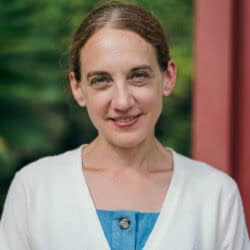
“For IMLS to deem the project and its goals worthy of funding is extremely encouraging and speaks to the value of the UAT as an important resource for knowledge organization in astronomy as well as the capacities of the iSchool and its students,” Stahlman said.
To meet these goals, Stahlman has been working with other members of the American Astronomical Society’s Working Group on the UAT (WGUAT) and the Harvard-Smithsonian Center for Astrophysics. “I believe this project will have a positive impact on knowledge organization in astronomy by helping with day-to-day management, maintenance, and expansion of the UAT as a core standard that will provide a structured, maintained set of keywords to describe astronomical journal articles, data, proposals, and other resources,” Stahlman said.
Stahlman described FSU’s graduate programs as an ideal “test bed” for the internship because of the bright students enrolled in the Master of Science in Information and Master of Science in Information Technology programs. Both LIS and Information Technology students will engage in various aspects of UAT curation and interact with one another to exchange skills.
Preparing Librarians to Foster Disaster Resilience
Meanwhile, libraries are increasingly serving as community hubs during disasters, yet librarians still lack a forum to share research, apply strategies, and collaborate with experts on preparedness and response.
Addressing this gap, Mardis was awarded an IMLS LB21 grant of $242,359 for an 18-month project centered around disaster resiliency and crisis leadership in libraries. The grant will support an in-person/hybrid symposium with state librarians and experts at the Chicago Public Library in June 2026, a three-day virtual disaster resiliency professional learning summit in fall 2026, and a public technical report with national recommendations for research, practice, and professional learning.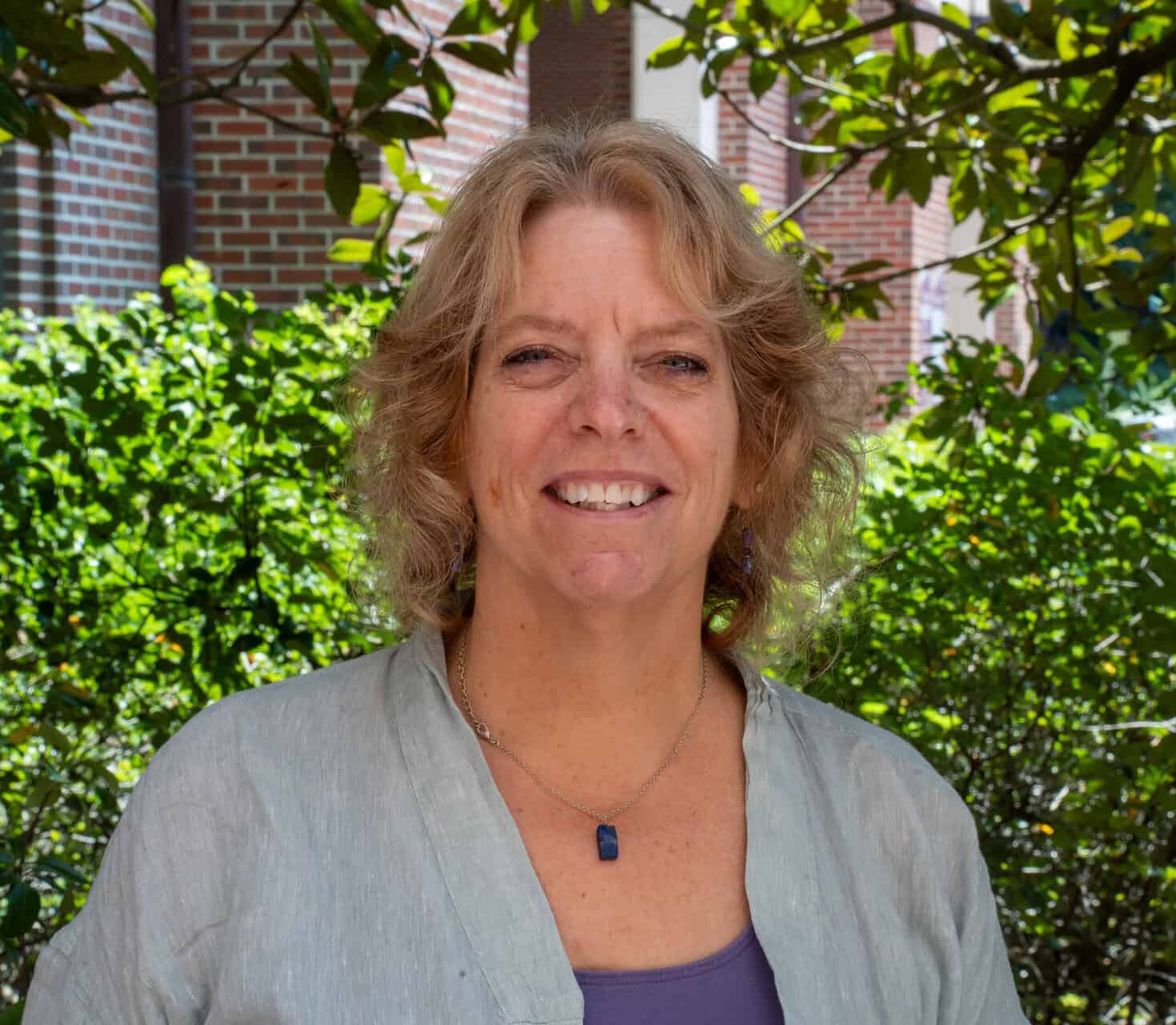
“IMLS has been an incredible champion of this work, which centers on building knowledge about the critical roles public librarians and public libraries play in community disaster resiliency, usually without forewarning or specific training,” Mardis said. “Florida is fairly unique in its requirement that public librarians serve in many different capacities during disasters, so we are a perfect laboratory for this work.”
Mardis is collaborating with Dr. Faye Jones of FSU’s College of Communication and Information (CCI) and Dr. Feili Tu-Keefner of the University of South Carolina’s School of Information on the project. Mardis first connected with Tu-Keefner while promoting work from previous research initiatives.
“For people already working in the field, updated disaster planning, response, and recovery resources can be hard to find, old, and incomplete,” Mardis said. “We aim to change that by bringing together community-validated professional development opportunities, integrating these topics into librarianship curricula, and uniting disaster resiliency researchers in a common agenda.”